

Reasons why you experience winter roof leaks
Winter leaks usually come from weak points that cope in ordinary rain but fail under snow, ice, wind-driven rain and repeated freezing and thawing. The usual culprits are faulty seams and joints, blocked gutters, flashings and ageing flat roof membranes. Some leaks only appear after snow melts, so it pays to find and repair weak spots early.
Some winter leaks disappear once drier weather arrives, which makes them easy to ignore. Others get steadily worse and can cause real damage to ceilings, insulation and roof timbers if they aren’t dealt with. These are the most common causes.
Faulty seams and joints
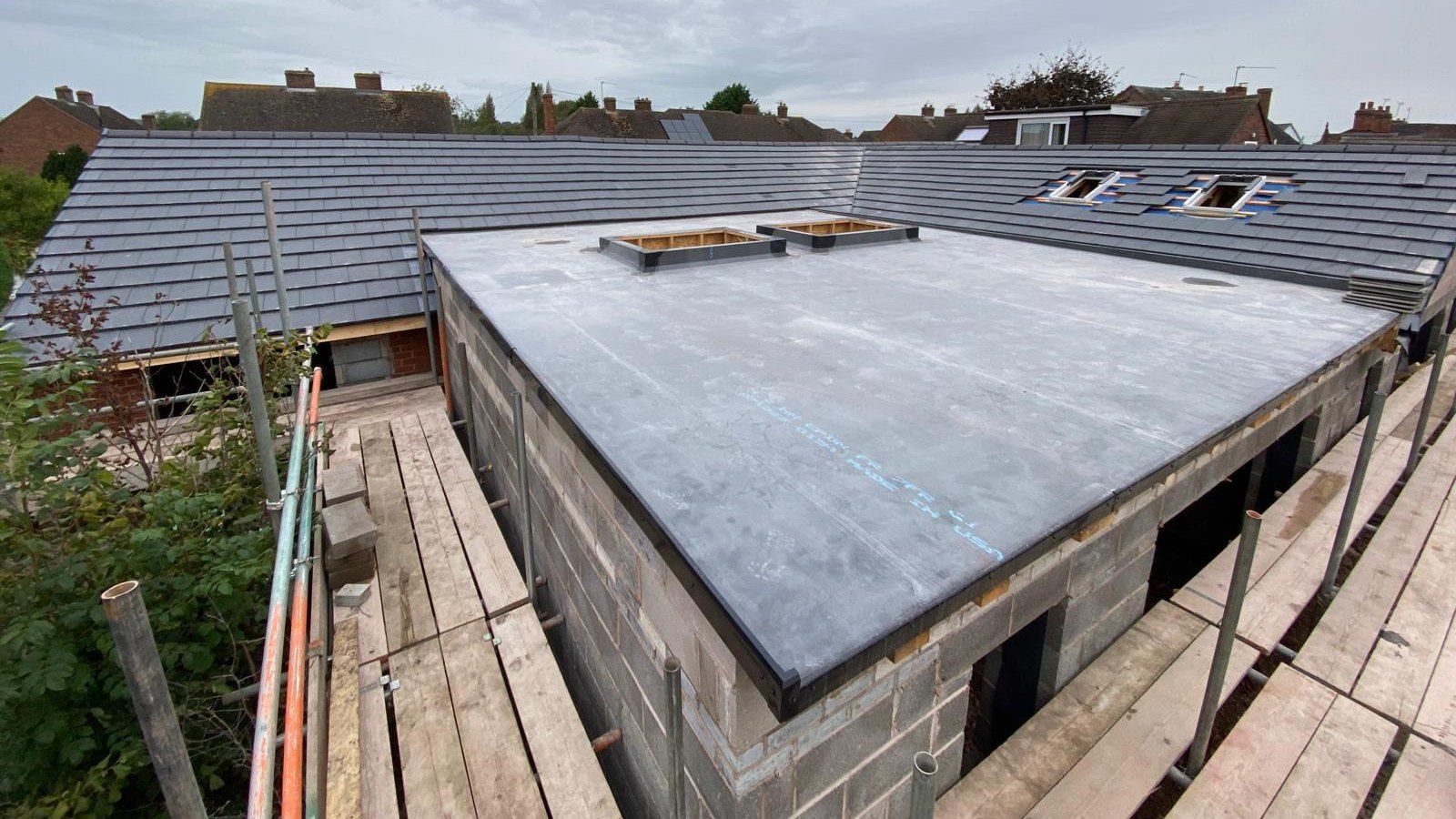
On flat roofs and sheeted roofs, the seams where sheets or membranes overlap are natural weak points, particularly if they weren’t well made in the first place. Problems often show a few days after heavy snow: as the snow melts, the water finds its way into a poor seam and through to the inside.
Blocked gutters
Gutters carry rainwater away from the roof and walls. When they fill with leaves and debris, water can back up at the roof edge, overflow down the walls and find its way inside. Water standing in older metal gutters can also lead to rust and leaking joints. Our guide on how to tell if your gutters are clogged covers the signs you can spot from the ground; clearing them at height is a job for someone with the right access equipment.
Ice at the eaves
Ice dams are less common in the UK than in colder climates, but they can form after prolonged snow and freezing weather. Snow melting higher up the roof runs down and refreezes at the colder eaves, building a ridge of ice. Water then backs up behind it and can work its way under tiles or through small gaps into the building.
Flashing that can’t cope with winter weather
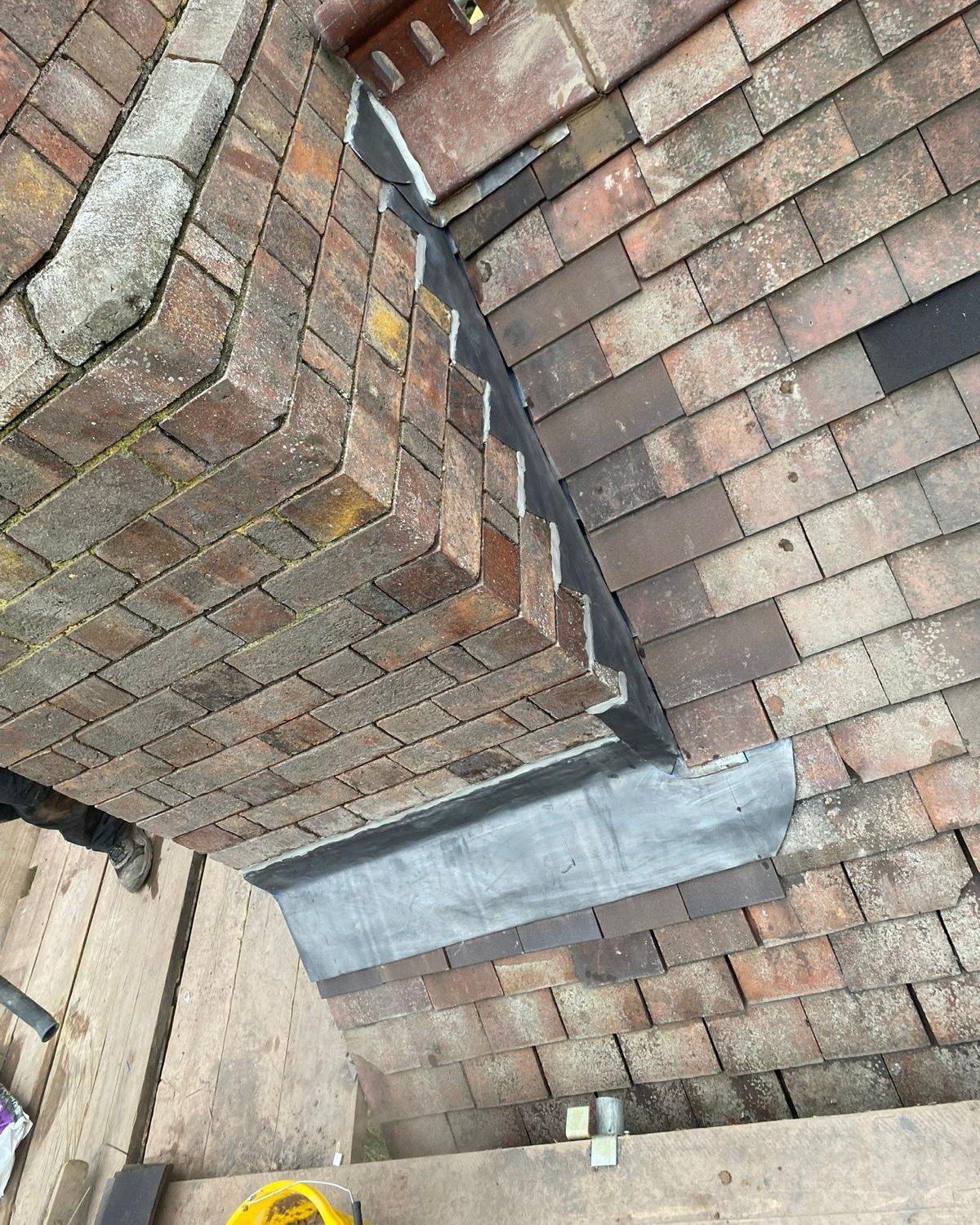
Flashing that keeps out ordinary rain may not cope with winter conditions. Wind can drive rain and snow in at unusual angles, under and behind flashings, and when the snow melts, a leak can appear even on a fairly new roof. Lead flashing that has lifted or cracked should be put right by a roofer; see our leadwork and flashing service.
Cracked flat roof membranes
A flat roof membrane that keeps water out through a wet autumn can crack under the stress of winter, as repeated freezing and thawing works on any existing weakness. Flat roofs take more strain in winter than most other parts of a house. Our article on the effects of snow on a flat roof explains more.
Getting your roof ready for winter
The best protection is to deal with problems as soon as you notice them, rather than waiting for the next spell of bad weather. Work through our autumn roof checklist to spot issues early, or book a professional roof inspection before the cold sets in.
More questions about your project
What should be agreed if weather delays permanent repair?
Ask what can safely be done in the meantime, what any temporary measure covers and how a further visit will be arranged. Do not assume a temporary measure is a permanent repair.
Read more: What should be agreed if weather delays permanent repair?