Storm Damage Roof Repairs
Fast Storm Damage Roof Repairs Across Shropshire
High winds and heavy rain can strip tiles, lift flat roof coverings and bring down chimney pots in a single night. When that happens, you need a roofer who can get to you quickly, make the roof safe and watertight, and then carry out a proper, lasting repair – not just a patch that fails at the next storm. Severnside Roofing is a local, family-run, NFRC-approved roofing company covering Telford, Shrewsbury and the surrounding towns and villages. Our emergency roof repair team handles storm call-outs right through the autumn and winter, for homes, landlords and businesses.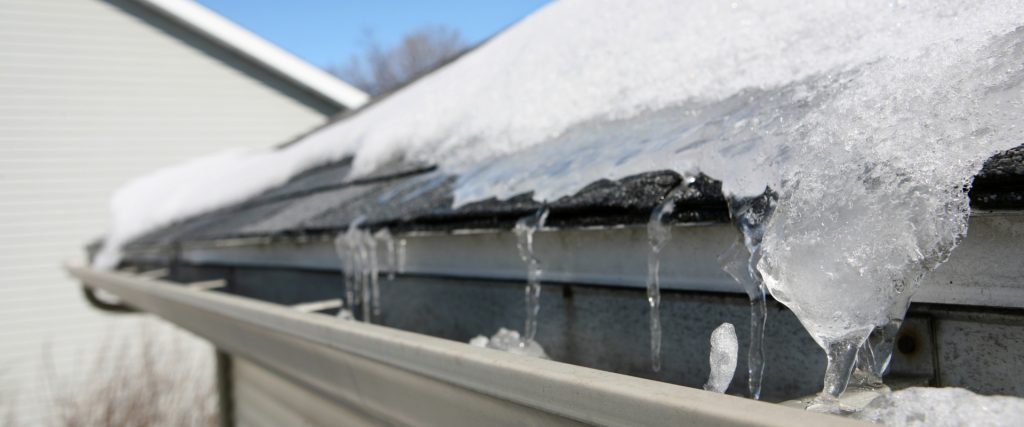
Common Types of Storm Damage We Repair
Slipped, Cracked and Missing Tiles or Slates
This is the most common storm damage we see. Once wind gets under one loose tile it can lift its neighbours, so a small gap can turn into a large hole very quickly. We replace missing tiles and slates, matching the existing roof as closely as possible, and check the surrounding area for nails and battens that have failed.Loose Ridge, Hip and Verge Tiles
Ridge tiles along the top of the roof and verge tiles at the gable ends take the full force of the wind. When their mortar bedding is old and cracked, they can work loose or blow off entirely. We can re-bed them in fresh mortar or upgrade to mechanically fixed dry ridge and dry verge systems, which need no mortar and are far more resistant to high winds.Flat Roof Damage
Storms can lift felt, tear membranes and rip off edge trims on extensions, garages and dormers. Once water gets under a flat roof covering, it spreads and soaks the deck beneath. We repair what can be saved and, where an old felt roof has had its day, replace it with a modern EPDM rubber or GRP fibreglass system. See our flat roofing services.Chimney Damage
Fallen pots, cracked flaunching (the mortar cap on top of the stack) and loose bricks are all common after high winds. A damaged chimney can be dangerous, so it needs attention quickly. See our chimney repairs and emergency chimney repairs pages.Lifted or Missing Lead Flashing
Lead flashing seals the joints around chimneys, walls and roof windows. Wind can peel it back, letting water run straight into the roof. Our leadwork and flashing service puts this right.Fallen Branches and Debris
Falling branches can crack tiles, dent gutters and, in bad cases, damage roof timbers. We clear debris safely, assess the structure and carry out the repairs needed.Damaged Gutters, Fascias and Soffits
Gutters can be pulled away or split by wind and the weight of water and debris. See our fascias, soffits and guttering service.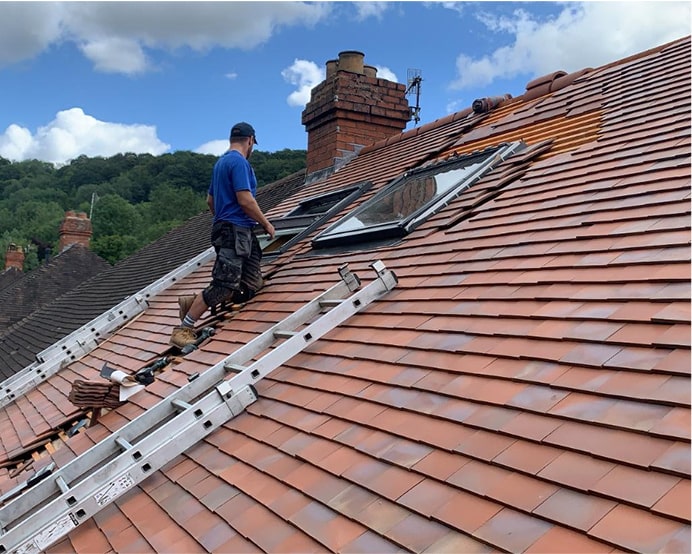
What to Do if Your Roof Is Damaged in a Storm
- Stay safe. Keep everyone away from fallen tiles, debris and any area where the ceiling is bulging or wet. Never go onto the roof yourself, especially in wet or windy weather.
- Limit water damage. Move valuables and electricals away from leaks, catch dripping water in buckets and, if water is near light fittings, switch off that circuit at the fuse box.
- Take photos. Photograph the damage inside and outside (from the ground) for your records and any insurance claim.
- Call a roofer. Ring us on 01952 279 451 and we’ll arrange to make the roof safe and watertight.
Make-Safe First, Permanent Repair Second
In bad weather the priority is stopping water getting in. We carry out temporary make-safe work such as sheeting the roof or securing loose materials, then return to complete a permanent repair once conditions allow. Before any permanent work starts, we’ll explain what we found, what needs doing and what it will cost.Storm Damage and Home Insurance
Many home insurance policies cover sudden storm damage, but not general wear and tear. It’s worth contacting your insurer as soon as you can. We can photograph the damage and explain the cause and the repair needed, which helps when you speak to your insurer.Prevent Storm Damage Before It Happens
Most storm damage starts with a small fault that was already there – a slipped tile, cracked mortar or lifted flashing. A professional roof inspection before winter is the easiest way to catch these early, and our autumn roof checklist explains what you can check from the ground. If your roof is reaching the end of its life, see the signs that you need a new roof.Why Choose Severnside Roofing?
- Local and family-run – we live and work in Shropshire and rely on local recommendations.
- NFRC-approved – we’re members of the National Federation of Roofing Contractors, the UK’s largest roofing trade body.
- Decades of experience – our team has over 40 years of combined roofing experience.
- Honest advice – if a repair will do, we’ll say so rather than sell you a new roof.
- Clear written quotes – you’ll know exactly what’s included before any work starts.
- Tidy, safe working – we protect your property and leave the site clean.