How to Tell if You Have a Roof Leak
Identifying a roof leak can be tricky, since water doesn’t always enter the building directly beneath where the actual damage is on the roof. It’s important to identify and repair a leak as soon as possible to prevent further damage to the building and its contents. Here are some common signs that you may have a roof leak:
1. Water Stains on the Ceiling or Walls
Brown or yellow stains on the ceiling or walls are a common sign that water is entering the building through the roof. These stains are sometimes accompanied by a musty smell, which can point to mould developing behind the surface.
2. Sagging or Bulging Ceiling
If a section of ceiling looks like it’s sagging or bulging, this can mean water has been accumulating on the underside of the roof deck for some time. This is a serious issue — the weight of trapped water can, in severe cases, cause part of the ceiling to collapse — so it’s worth treating as urgent rather than waiting to see if it gets worse.
3. Dripping Water
Hearing dripping water inside the building, especially during or shortly after rain, is a fairly clear sign of an active roof leak.
4. Water Pooling on the Roof
Roofs — particularly flat roofs — are designed to shed water quickly. If you notice standing water pooling in one area rather than draining away, it often points to a blocked drain, a dip in the roof surface, or damage to the waterproof covering itself.
5. Missing or Damaged Tiles
Missing or damaged roof tiles are one of the most common causes of leaks. Once a tile is dislodged or cracked, it creates a direct route for water to get underneath the roof covering and into the structure below.
6. Blocked or Overflowing Gutters
In particularly cold weather, snow or ice sitting on the roof can melt and refreeze at the edges, sometimes forming a blockage that stops water draining away properly. Combined with blocked or damaged guttering, this can cause water to back up under tiles or flashing rather than draining off safely — so it’s worth keeping gutters clear, especially heading into winter.
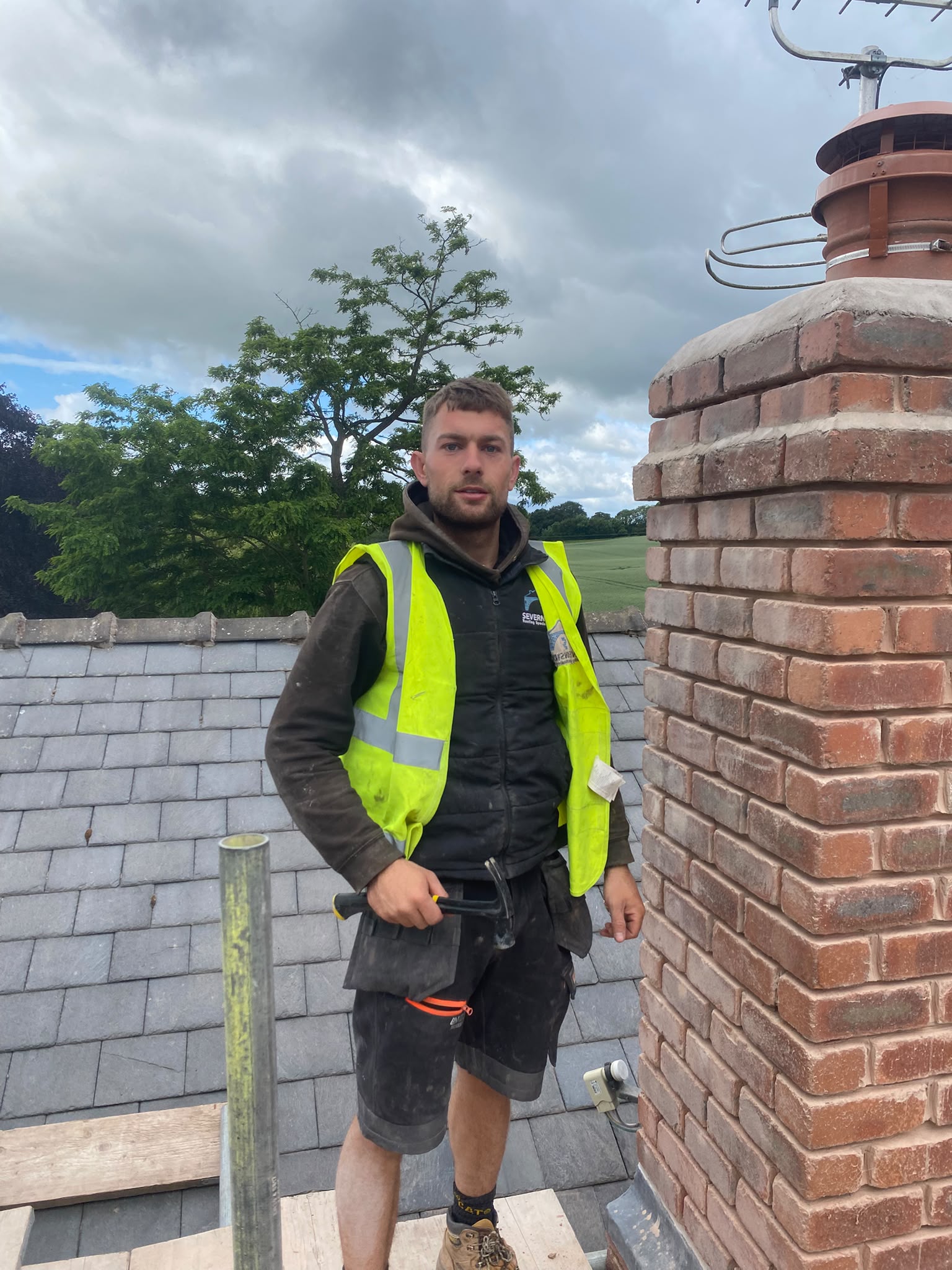
Tracking down the exact source of a leak often means carrying out a thorough inspection of the roof itself, as well as looking for clues from inside the building. Because this usually involves working at height and identifying subtle signs of damage, it’s best handled by a professional roofing contractor who can assess the situation properly and recommend the right repair.
In summary, if you suspect a roof leak, it’s worth acting quickly to prevent further damage. Watch out for water stains, a sagging or bulging ceiling, dripping water, pooling on the roof, missing or damaged tiles, and blocked guttering as key warning signs. If you can’t pinpoint the source yourself, get in touch with our team for a professional inspection and honest advice on next steps.