Spring Roof Check: Signs to Look for After Winter
March 2026 · Roofing Advice
Spring Roof Check: Signs to Look for After Winter
Winter is one of the most punishing seasons for a roof. Frost, ice, high winds, heavy rain — all of it takes a toll. The good news is that spring is the perfect time to catch any damage early, before it turns into a much bigger (and more expensive) problem.
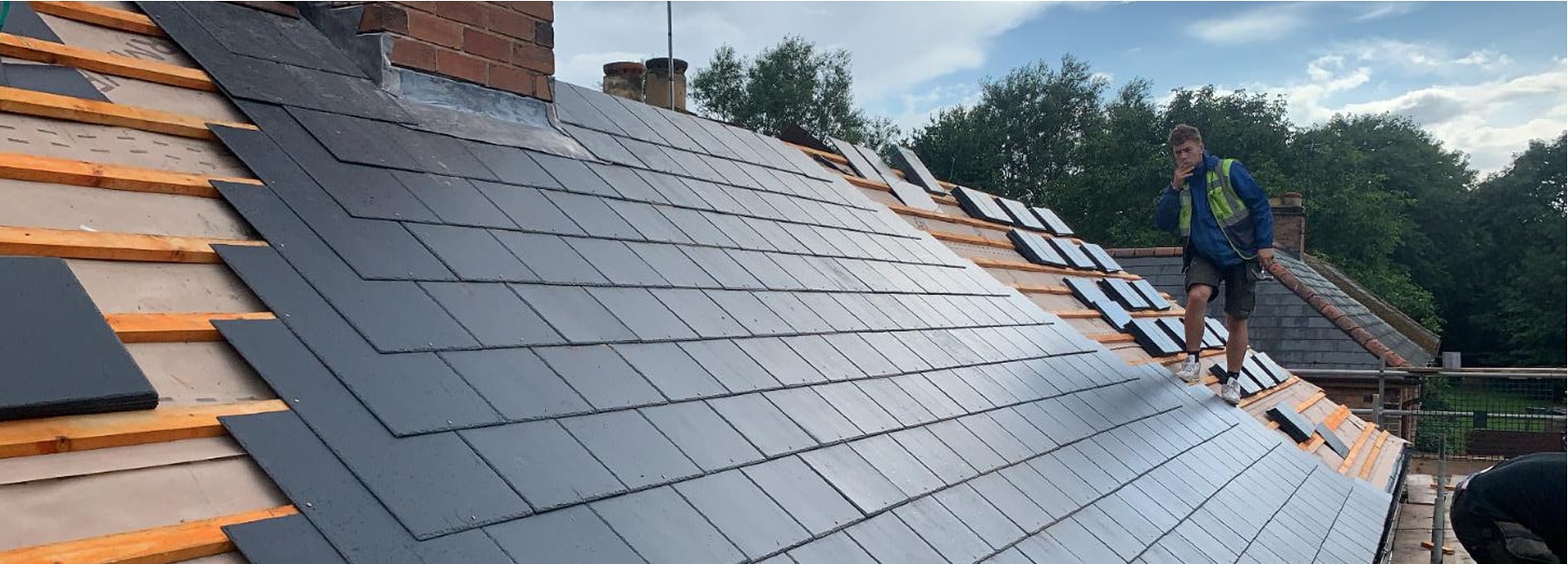
You don’t need to get up on the roof yourself — a lot can be spotted from the ground or from inside the loft. Here’s what to look for this spring, and when it’s time to pick up the phone.
1. Missing, Cracked or Slipped Tiles
This is the most obvious one, and often the easiest to spot. Walk around the outside of your property and look up at the roof. Are all the tiles sitting flat and in line? Any that are slipped, cracked or missing entirely are a potential entry point for water.
Frost is particularly bad for tiles — water gets into small cracks, freezes, expands, and breaks the tile apart from the inside. A run of cold nights followed by a wet spell is the perfect recipe for tile damage, so it’s worth checking after every harsh winter.
A single missing tile can usually be repaired quickly and cheaply. Leave it, and you could end up with water damage to the roof structure, insulation and ceilings.
2. Ridge and Hip Tiles Working Loose
Ridge tiles sit at the very top of the roof and are bedded in mortar. Over time — and particularly after a cold, wet winter — that mortar deteriorates and the tiles can start to work loose or come away entirely.
Loose ridge tiles are a serious risk in high winds. They can slide off and cause injury or damage, so if you notice any movement or gaps in the ridge, it’s worth getting it checked sooner rather than later.
A modern alternative to traditional mortar bedding is a dry ridge system — no mortar, no cracking, and it lasts far longer. Worth considering if your ridge mortar is coming to the end of its life.
3. Damaged or Lifting Flashing
Flashing is the metal (usually lead) sealing strip fitted around chimneys, skylights, dormer walls and roof joints. It’s one of the most common causes of roof leaks — and one of the most overlooked.
Check around your chimney stack and any skylights or roof windows. If the flashing looks lifted, cracked, or has gaps where it meets the brickwork, water will be finding a way in. A lot of Shropshire properties have older lead flashing that’s reached the end of its life — spring is the ideal time to get it replaced before another winter hits.
4. Moss and Algae Growth
A damp winter creates perfect conditions for moss to take hold on roof tiles. A bit of moss looks harmless but it holds moisture against the tile surface, accelerating freeze-thaw damage and gradually lifting tiles as it grows under the edges.
Spring is a good time to get moss treated and cleared — ideally with a professional application rather than a high-pressure wash, which can damage the tile surface and dislodge pointing. If moss has been an ongoing issue, a biocide treatment followed by a preventative coating can keep it under control for years.
5. Blocked or Damaged Guttering
Gutters take a battering over winter — leaves, debris, and freeze-thaw cycles can leave them cracked, sagging or completely blocked. The problem with blocked gutters isn’t just overflow — water backs up and can get under the roof edge, damaging fascias, soffits and eventually the roof structure itself.
Walk around the house during or just after a downpour and look for water overflowing anywhere it shouldn’t be. Any sagging sections, cracks, or joints that have come apart need attention. It’s a relatively inexpensive fix that protects a lot of more expensive structure underneath.
6. Damp Patches or Staining Inside
Don’t just look outside — check inside too. Have a look in the loft on a dry day and look for any damp patches on the timbers, water staining, or signs of mould. Even a very small leak can show up clearly in the loft before it ever appears as a stain on a ceiling.
If your loft insulation is wet or discoloured, that’s a sign water has been getting in for a while. The sooner it’s investigated, the less damage there’ll be to the insulation and timber structure.
7. Flat Roofs — Ponding Water and Blistering
If you have a flat roof on a garage, extension or outbuilding, give it a check after winter. The main things to look for are:
- Ponding water — standing water that doesn’t drain away within 48 hours puts weight on the roof and accelerates deterioration
- Blistering or bubbling — in felt roofs especially, frost can cause blistering that breaks the waterproof surface
- Cracks or splits — especially around upstands, edges and where the roof meets a wall
If your flat roof is more than 10–15 years old and showing any of these signs, it’s worth getting a professional opinion on whether a repair or a replacement with a longer-lasting system like EPDM or GRP makes more sense.
When Should You Call a Roofer?
If you spot any of the issues above, it’s worth calling a roofer sooner rather than later. The most expensive roof repairs are almost always the ones that started small and were left too long. A missing tile or a bit of cracked flashing costs very little to fix — water damage to the structure, insulation and ceilings is a different story entirely.
At Severnside Roofing, we offer free, no-obligation inspections and honest advice. We’ll tell you exactly what needs doing, what can wait, and what’s genuinely not worth worrying about. No hard sell, no unnecessary work.
Book a Free Spring Roof Check
Severnside Roofing cover Telford, Shrewsbury, Bridgnorth, Market Drayton, Newport and across Shropshire. Get in touch for a free inspection and no-obligation quote.
Book a Free Inspection